

Pet Travel Preparation
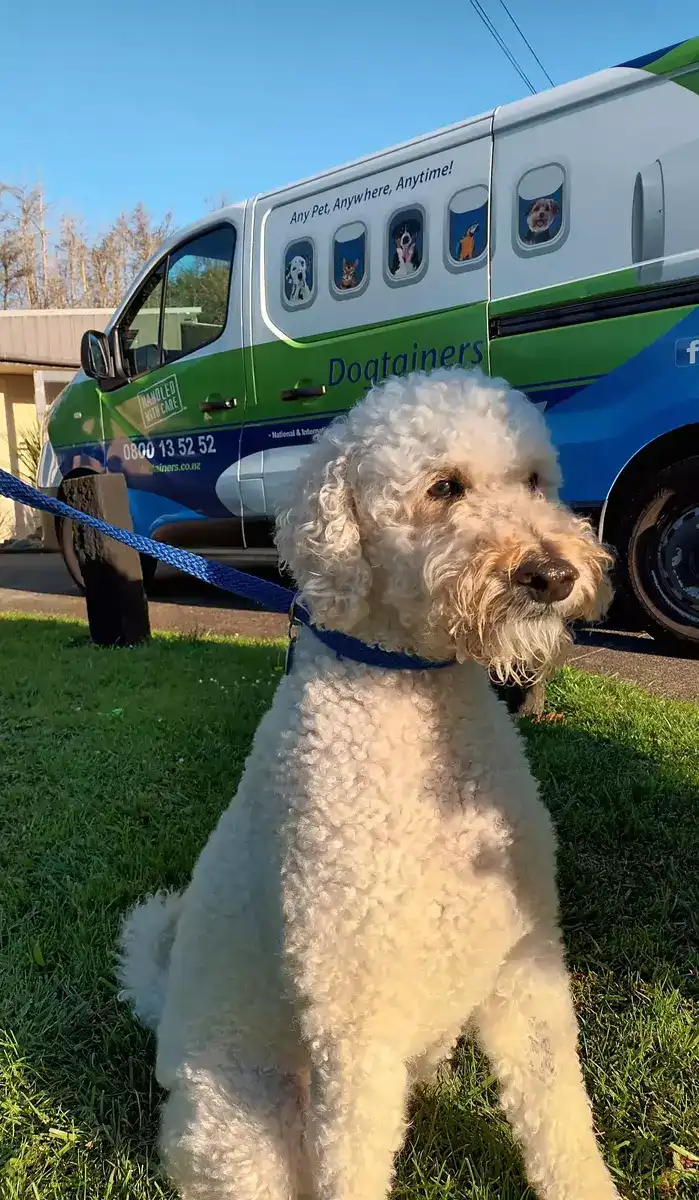
Ultimate Guide to Pet Travel Preparation
This pet travel preparation guide aims to provide pet owners with comprehensive pet travel tips and tricks to ensure a smooth and stress-free travel experience for their beloved pets. This guide will cover all aspects of preparing pets for a journey, from pre-travel health check-ups to packing essential items and dealing with travel anxiety. Get your pet ready for international air transport, domestic air transport, or domestic road transport.
Pre-Travel Health Check-up
Before embarking on an exciting journey with your beloved pet, ensure their health and safety with a comprehensive pre-travel health check-up. This essential step involves a vet visit to assess your pet’s overall well-being. The veterinarian will administer any required pet vaccinations and provide a health certificate of the destination country or region. They will also conduct a thorough examination, taking into account your pet’s age, breed, individual health needs, and other requirements of the destination.
Preventive Measures for Parasites and Diseases
During the health check-up, your veterinarian will also recommend and administer preventive measures to safeguard your pet against parasites and common diseases they may encounter during their journey. These measures could include flea and tick treatments, heartworm prevention, and other precautionary medications, depending on your travel destination and route.
Microchipping and Identification Tags
Losing a pet during travel is every owner’s worst nightmare. To enhance the chances of a safe reunion, pet microchipping is highly recommended and often legally required. Microchips are small, permanent identification devices inserted under your pet’s skin, containing vital contact information that can be scanned by shelters or veterinarians in case they get lost. Your pet should not wear their collar during the flight, but you can attach it and any other identification tags to the outside of their crate for when they land.

Pet-Friendly Travel Destinations and Accommodations
Researching Pet-Friendly Travel Destination
Researching pet-friendly travel destinations is the first step towards planning a memorable trip for both you and your furry companion. Our team is dedicated to helping you find the perfect international travel destinationthat welcomes pets with open arms. We have pet travel guides for English speaking countries such as New Zealand, the USA, the UK, and Canada, as well as popular Asian destinations like Singapore, Hong Kong, and the Philippines.
Finding Pet-Friendly Hotels, Vacation Rentals, and Accommodations
Once you’ve chosen a destination, the next crucial aspect is finding suitable pet-friendly accommodations that cater to your pet’s needs. To help your pet feel more at ease, you could consider pet-friendly hotels and vacation rentals. We can provide accommodation for your pet at one of our kennels or catteries while you’re looking for a more long term option.
Understanding Local Pet Regulations and Restrictions
Before finalising your travel plans, it’s essential to familiarise yourself with local pet regulations and restrictions at your chosen destination. Different places may have specific rules regarding pet behaviour, leash laws, and designated pet-friendly areas. Our expert team will provide you with all the necessary information to ensure an enjoyable experience for you and your pet while complying with local laws.
Travel Restrictions for Pets
Certain countries and airlines might enforce pet travel restrictions, which can differ depending on factors like age, breed, and health. Usually, pets are required to be a minimum of 8 weeks old. Some countries maintain lists of prohibited breeds, often encompassing breeds labelled as ‘dangerous’ or ‘bully’ breeds. Additionally, many countries mandate a rabies vaccination for pets.

Managing Cat Anxiety During Travel
Travelling can be stressful for cats, so it’s essential to manage their anxiety to ensure a smoother journey. Before the trip, spend extra time with your cat, providing comfort and reassurance. Familiar scents and objects, such as their favourite toys or bedding, can also help ease their anxiety.
Consider using calming pheromone sprays or collars, specifically designed for cats, to create a sense of calmness during travel. Consult with your veterinarian for advice on using calming products if your cat tends to experience severe anxiety. However, as a general rule, we do not recommend sedatives for cats.
Litter Box Arrangements for Travel
When travelling with cats by road, it’s essential to make litter box arrangements. If you’re driving, bring a portable litter box and place it in a secure and accessible location in the vehicle. When you make your stop for the evening, place their cat litter in a safe and secluded area to help manage your cat’s anxiety. For air travel, absorbent bedding can be used to manage bathroom accidents.

Why You Should Choose Dogtainers
There are four different categories recognised by the Department of Agriculture and Water Resources. The categories are based on the rabies risks of animals coming from these countries. Cats and dogs from approved countries are allowed to enter, provided all the veterinary requirements are met.
We are Australia’s largest owner-operated pet transport network and the only pet travel company to have our own offices and staff located in every state in Australia, including the Northern Territory.
Dogtainers has been operating for 50 years, and we import thousands of pets into Australia every year.

We’re an official RSPCA partner and a member of IPATA.
Most importantly, we’re pet lovers just like you! We understand that pets are family, and they deserve to be treated like it.

Proper Temperature and Environmental Considerations for Different Pets
Temperature control for pets during travel varies greatly depending on species. Here are some considerations:
- Exotic Pets:
Some exotic pets may require temperature-controlled environments, especially if they are sensitive to temperature fluctuations. Use heating pads or cooling devices in their carriers, as appropriate, to maintain a comfortable temperature.
- Birds:
Birds are sensitive to temperature changes and drafts. Ensure their carriers are kept at a consistent temperature, and avoid placing them in direct sunlight during the journey.
- Small Animals:
Small animals, such as rabbits, guinea pigs, or hamsters, can be sensitive to heat. Keep their carriers in a cool and well-ventilated area, away from direct sunlight.
Choosing the Right Pet Carrier or Crate
Selecting an Appropriate Pet Carrier or Pet Crate for Travel
When it comes to travelling with pets, selecting the right pet carrier or crate is of utmost importance. Our experts will assist you in choosing a carrier that suits your pet’s size, breed, and travel requirements. We have a wide selection of pet carriers to cater to your pet’s specific needs.
Ensuring the Carrier Meets Airline or Transportation Guidelines
If you’re planning to fly with your pet, it’s crucial to comply with airline guidelines for pet carriers. Our team is well-versed in airline regulations and will guide you in selecting a carrier that adheres to IATA requirements. We prioritise your pet’s safety and ensure that the carrier provides adequate ventilation, security, and space for a comfortable journey.
For other modes of transportation, such as road trips or train travel, we also provide carriers that meet the respective guidelines, ensuring a seamless travel experience for you and your pet.
Introducing Pets to the Carrier for Familiarity
Familiarising pets with carriers is essential to minimise stress and anxiety during travel. Introducing your pet to their carrier well before the trip is highly recommended. By making the carrier a positive and comfortable place for your pet, they will associate it with safety and security. This familiarity will make the travel experience more pleasant for both you and your furry friend.
Travelling with Dogs
Exercise and Bathroom Breaks During Travel
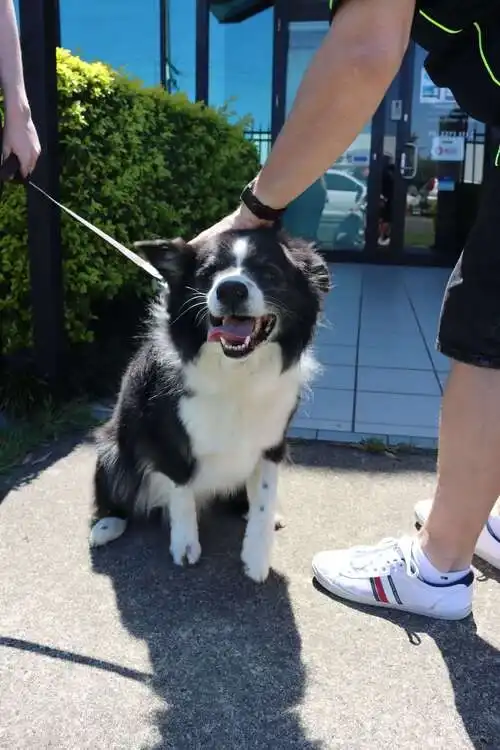
When travelling with dogs by car, like when you’re on a road trip, plan frequent stops at pet-friendly rest areas or parks where your dog can stretch their legs, relieve themselves, and enjoy some playtime.
When flying with dogs, ensure your dog has had ample exercise before the journey to help them feel more relaxed during the flight. Dogs don’t have access to a bathroom on the plane, and if they need a potty break during travel, it will happen in their crate. This is normal and nothing to worry about, they were just answering nature’s call. To help prevent this and other stomach upset, you should not feed your dog within eight hours of travel. Once you reach your destination, prioritise a bathroom break, outdoor walks, and playtime to keep your dog active and happy.
Leash Training and Recall for Outdoor Adventures
Leash training for dogs and reliable recall are both essential for outdoor adventures with your four-legged friend. Practice leash training in various environments before your trip to ensure your dog walks calmly and comfortably beside you. Reinforce positive behaviour with treats and praise.
Additionally, work on recall training in a safe and enclosed area. A strong recall is crucial, especially in unfamiliar surroundings, to keep your dog close and prevent any potential accidents or dangers.
Tips for Flying with Dogs and Airline Regulations
Flying with your dog requires careful planning to ensure their safety and well-being. Here are some tips for a smooth and stress-free flight:
- Choose a Pet-Friendly Airline:Research airlines that have pet-friendly policies and dedicated areas for pets during the flight. Check their regulations on carrier sizes, breed restrictions, and any additional fees.
- Travel-Approved Pet Carrier:
Invest in an airline-approved pet carrier that provides ample space for your dog to stand, turn around, and lie down comfortably. Familiarise your dog with the carrier before the journey. - Health Check and Documentation:
Schedule a visit to the veterinarian for a pre-flight health check. Ensure your dog is up-to-date on vaccinations and has the necessary health certificates required by the airline. - Calm and Comforting Atmosphere:
Create a calm and reassuring atmosphere for your dog during the flight. Place familiar items, such as their blanket, in the carrier to provide a sense of security. - Potty Before Boarding:
Take your dog for a bathroom break before boarding the flight. This will help minimise the need for them to relieve themselves during the journey.
Travelling with Cats
Ensuring a Secure and Escape-Proof Carrier for Travel
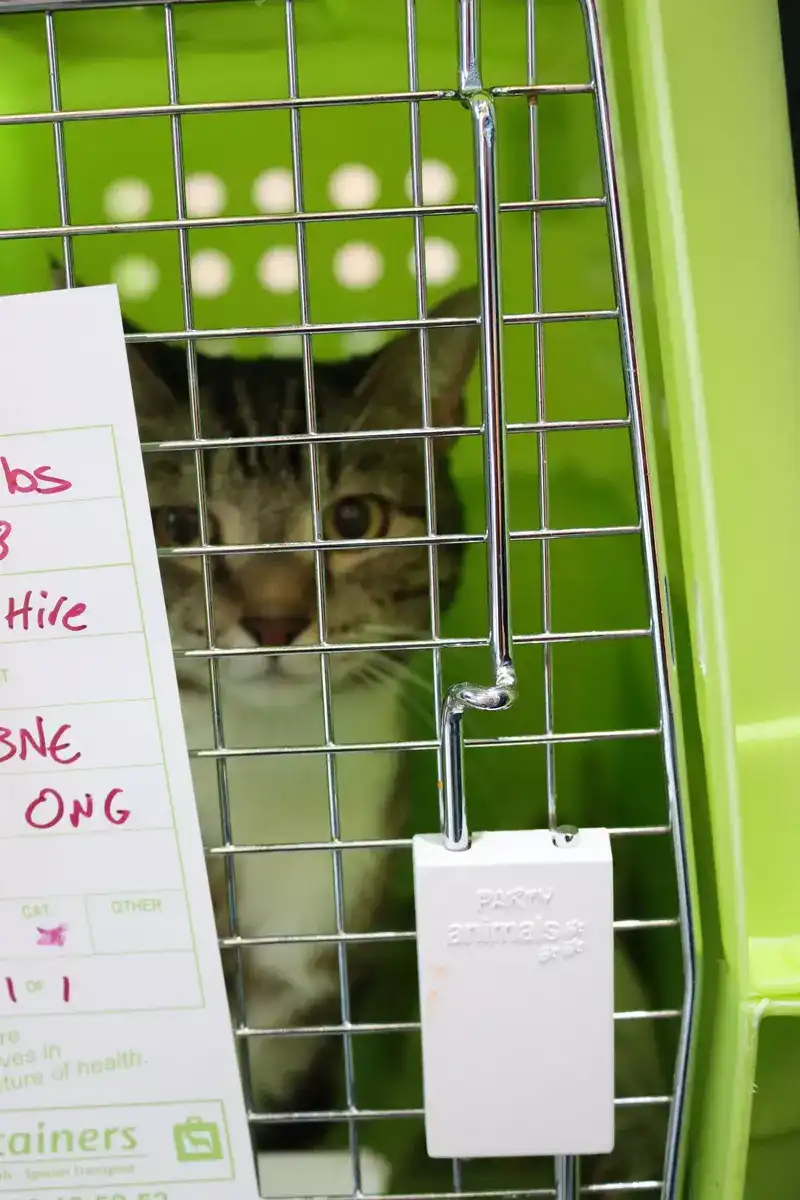
A secure cat carrier for travel is crucial for your cat’s safety. Choose a carrier that is sturdy and spacious enough for your cat to stand, turn around, and lie down comfortably. Ensure it has proper ventilation and secure latches. IATA-specified crates will have these features, and are required by airlines.
Before the journey, introduce your cat to the carrier gradually. Leave it open in your home with familiar bedding and treats inside to create positive associations. This will help reduce their anxiety during travel.
Creating a Safe Transfer Environment
During transfers between vehicles or while boarding flights, ensure that the transfer environment is secure and free from loud noises or sudden movements that could startle your cat. Keep the carrier closed and handle it gently to help make your kitty feel more secure.
For air travel, follow the airline’s guidelines for transporting your cat from check-in to the boarding area. Minimise exposure to unfamiliar people and animals during this process to reduce stress.
Handling Travel Anxiety and Motion Sickness
Techniques for Calming Anxious Pets Before and During Travel
- Familiarisation:
Before the trip, gradually introduce your pet to the carrier or travel environment. Let them explore and associate it with positive experiences, such as treats and toys.
- Calming Pheromones:
Some pet owners have found success using calming pheromone sprays or diffusers to help reduce pet travel anxiety and create a sense of comfort for your pet. However, do not use sedatives without the advice of a vet, as these are generally not permitted by airlines.
- Quiet and Comfortable Environment:
During travel, keep the environment as calm and quiet as possible. Minimise loud noises and sudden movements that could startle your pet.
- Positive Reinforcement:
Offer treats and gentle praise to reinforce calm behaviour during the journey. Rewarding relaxed behaviour can help your pet associate travel with positive experiences.
Natural Remedies for Motion Sickness
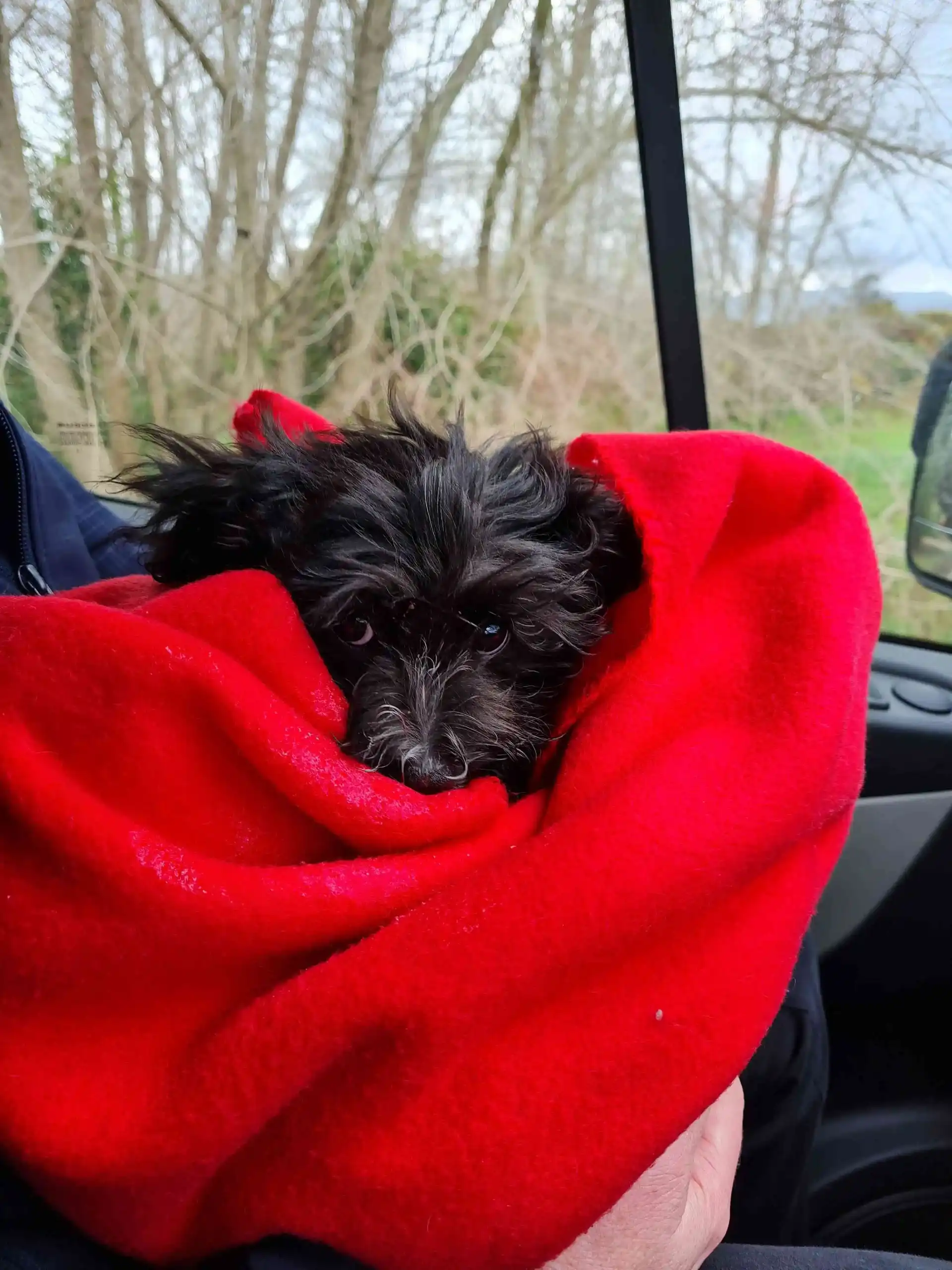
If your pet experiences severe travel anxiety or pet motion sickness, we recommend consulting with a veterinarian for personalised advice and solutions. They can recommend appropriate medications, behavioural training, or other anxiety management techniques to ensure a safer and more comfortable travel experience for your pet. It’s essential to address any underlying health concerns before travel, as certain medical conditions may exacerbate anxiety or motion sickness. Your veterinarian can conduct a thorough health check and provide tailored recommendations for your pet’s specific needs.
Travelling with Other Pets (Exotics, Birds, Small Animals)
Specific Requirements for Exotic Pet Travel
Travelling with exotic pets requires specialised care and attention to their unique needs. Before embarking on a journey, research the specific pet travel requirements for your exotic pet, as they can vary depending on the species and destination. Some exotic pets may need special permits or health certificates, so it’s crucial to comply with all relevant regulations.
Consult with a veterinarian experienced in exotic pet care to ensure your pet is in good health for travel and an experienced pet transportation provider, like Dogtainers, to receive guidance on any specific preparations required.
Safety Measures for Transporting Birds and Small Animals
Bird travel and small animal travel necessitates secure and comfortable carriers or enclosures. Use carriers that are specifically designed for the species, providing enough space for movement and ensuring they cannot get their heads or limbs stuck in the carrier’s openings.
Avoid placing birds and small animals near sources of extreme heat, cold, or drafts during travel. Gentle handling and a calm travel environment can also help reduce stress during the journey.
AUSTRALIA BANNED BREEDS

American Pit Bull Terrier
Fila Brasileiro
Dogo Argentino
Japanese Tosa
Savannah cat
Chausie crossed with Jungle cat.
Bengal cat crossed with Asian Leopard cat
Safari cat crossed with Geoffroy cat
Czechoslovakian wolfdog or Czechoslovakian Vlcak
Lupo Italiano or Italian wolfdog
Kunming wolfdog or Kunming dog
Saarloos wolfdog or Saarloos wolfhound
Packing Essential Items for Your Pet
Preparing a Pet Travel Kit with Essentials and Medications
Before embarking on your journey with your furry friend, you may want to consider packing a pet travel kit containing all the pet travel essentials to ensure their comfort and well-being. The travel kit might include:
- Food and Water for Pets:
We recommend not feeding your pet within eight hours of pet travel. This is because it can lead to an upset stomach and vomiting. However, you will still need to bring food for pet travel, which can be provided during longer rest stops. Water for pets is okay at all times.
- Medication for Pets:
If your pet requires any medications, ensure you have an adequate supply for the entire trip. Keep them in their original containers and bring along any prescription documents.
- Comfort Items for Pets:
Include familiar toys, bedding, or blankets that your pet associates with security and comfort. Having these items in the new environment will help reduce stress and anxiety. If you’re flying, you may not be able to have some or all of these items in your pet’s crate, but this depends on the specific airline’s pet travel policies.
- Soft Towel:
Pack a soft and absorbent towel to wipe down your pet or cleanup any messes during the journey.
Tips for Managing Waste and Cleanliness During Travel
- Disposable Waste Bags:
Carry a sufficient number of disposable waste bags to pick up after your pet during breaks and stops. Properly disposing of waste helps maintain cleanliness and shows respect for the environment and other travellers.
- Pet Wipes or Wet Towels:
Keep a pack of pet wipes or wet towels handy to freshen up your pet during the trip, especially after long journeys or outdoor activities.
- Portable Litter Box or Pee Pads:
If you’re travelling with cats or small pets, consider bringing a portable litter box or pee pads for use during rest stops. This will provide them with a familiar spot to do their business.
Acclimating Pets to Travel
Gradual Acclimation to Travel Environment and Noises
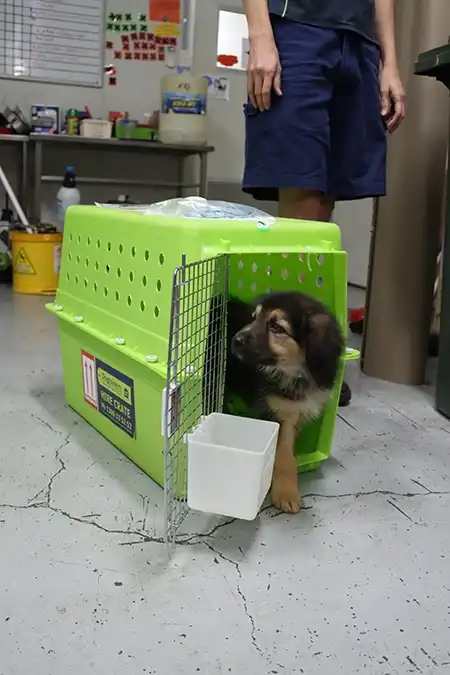
Pets may experience anxiety and stress when faced with new travel environments and unfamiliar noises. To reduce pet travel anxiety and ease this transition, we recommend a gradual exposure process. Start by introducing your pet to the carrier or crate in a calm and positive manner. Allow them to explore it at their own pace, offering treats and toys inside to create positive associations.
To familiarise them with travel noises, play recordings of common travel sounds, such as car engines or airplane noises, at a low volume. Gradually increase the volume over time, ensuring your pet feels at ease with these sounds.
Practice Car Rides and Short Trips to Reduce Anxiety
For pets that will be travelling by car, practising short trips can significantly reduce pet travel anxiety. Begin with brief rides around the neighbourhood, gradually increasing the duration as your pet becomes more comfortable. Offer reassurance and praise during these rides to build confidence.
Familiarising Pets with New Surroundings
When arriving at your travel destination, take the time to familiarise your pet with their new surroundings. Keep them on a leash or in a secure area as they explore, gradually allowing them to venture further as they become more comfortable.
Create a comfortable and familiar space for your pet within your accommodation by bringing their favourite toys, bedding, and treats. This will provide them with a sense of security amidst the new environment.
International Pet Travel Considerations
Researching Pet Import Regulations for the Destination Country
Prior to international pet travel, thorough research on the pet import regulations of the destination country is essential. Different countries have specific requirements and restrictions for bringing pets across their borders. These regulations may include:
- Vaccination Requirements:
Some countries may mandate certain vaccinations for pets, including rabies and other diseases. Ensure your pet is up-to-date with all the necessary vaccinations.
- Microchipping:
Many countries require pets to be microchipped for identification purposes. Ensure the microchip is registered and complies with the destination country’s standards.
- Health Certificates:
Some countries require a health certificate issued by a veterinarian, indicating that your pet is in good health and fit for travel.
- Quarantine Requirements:
Certain countries may have quarantine requirements for incoming pets. Check the duration and procedures for quarantine, if applicable.
Preparing Paperwork and Documentation for Customs Clearance
To ensure a smooth customs clearance for pets experience, gather all the required paperwork and documentation in advance. This may include:
- Pet Passport:
Some countries recognise pet passports, which contain your pet’s identification, vaccination records, and other essential information.
- Health Certificate:
Obtain a health certificate from your veterinarian, confirming your pet’s good health and compliance with the destination country’s requirements.
- Import Permits:
Some countries may require import permits for pets. Ensure you obtain the necessary permits well in advance.
- Microchip Information:
Have your pet’s microchip information, including the identification number and registration details, readily available.

Quarantine Requirements and Procedures for International Travel
Pet Safety During Transit
Ensuring Proper Ventilation and Temperature Control During Travel
Proper ventilation is crucial for your pet’s safety during travel. Ensure that the carrier or travel enclosure allows for adequate airflow. In the case of car travel, keep the windows partially open or use air conditioning to maintain a comfortable temperature.
For air travel, pets are required to fly in an IATA-specified pet travel crate. These crates have proper ventilation for pets during travel. Avoid exposing your pet to extreme temperatures, whether it’s inside a vehicle or during outdoor stops.
Tips for Securing Pet Carriers in Cars or Planes
For car travel, secure the pet carrier in the backseat or cargo area using seat belts or specialised pet travel harnesses. Avoid placing the carrier in the front seat, as airbags could pose a danger to your pet.
Your pet-friendly airline will have proper procedures in place for ensuring pets are safely placed in the pet area of the cargo hold.
Monitoring Pets During Transit and Being Prepared for Emergencies
Keep a watchful eye on your pet during transit to ensure their well-being. Check on them regularly and look for signs of distress, discomfort, or illness. If travelling by car, plan for frequent breaks to allow your pet to stretch, relieve themselves, and have some water.
Be prepared for emergencies by carrying a pet first aid kit, including essential supplies such as gauze, bandages, and antiseptic wipes. Additionally, have your veterinarian’s contact information and any necessary medical documents easily accessible.
Pet Transport Services
For expert guidance and assistance with pet travel, we’re here to help. We provide complimentary, no-obligation pet travel quotes to kickstart your journey. Our team provides both domestic pet travel and international pet relocation services, delivering personalised support and customised solutions that cater to your specific needs. Whether you have inquiries about regulations, seek advice on pet-friendly airlines, or require aid with the booking process, we’ve got you covered. Reach out to us to ensure a stress-free and enjoyable travel experience for your furry companion with Dogtainers. Our dedicated team is prepared to assist you at every step of the way, ensuring a seamless journey for your pet.


FAQs About Pet Quarantine in Australia
How much does Pet Quarantine Cost?
Your content goes here. Edit or remove this text inline or in the module Content settings. You can also style every aspect of this content in the module Design settings and even apply custom CSS to this text in the module Advanced settings.
Where do Pets Quarantine in Australia?
Your content goes here. Edit or remove this text inline or in the module Content settings. You can also style every aspect of this content in the module Design settings and even apply custom CSS to this text in the module Advanced settings.
How long is the Quarantine Period for Pets?
Your content goes here. Edit or remove this text inline or in the module Content settings. You can also style every aspect of this content in the module Design settings and even apply custom CSS to this text in the module Advanced settings.
What should I prepare for my Pet’s Quarantine in Australia?
Your content goes here. Edit or remove this text inline or in the module Content settings. You can also style every aspect of this content in the module Design settings and even apply custom CSS to this text in the module Advanced settings.
What kind of care and attention will my pet receive during Quarantine?
Your content goes here. Edit or remove this text inline or in the module Content settings. You can also style every aspect of this content in the module Design settings and even apply custom CSS to this text in the module Advanced settings.
How can I stay updated on my pet’s status during Quarantine?
Your content goes here. Edit or remove this text inline or in the module Content settings. You can also style every aspect of this content in the module Design settings and even apply custom CSS to this text in the module Advanced settings.

Start Your Pet Transport Journey
Australia: 1300 13 52 52 | New Zealand: 0800 13 52 52